

Breast Surgery in Pakistan: Top 10 Questions Answered by a Plastic Surgeon (2026)
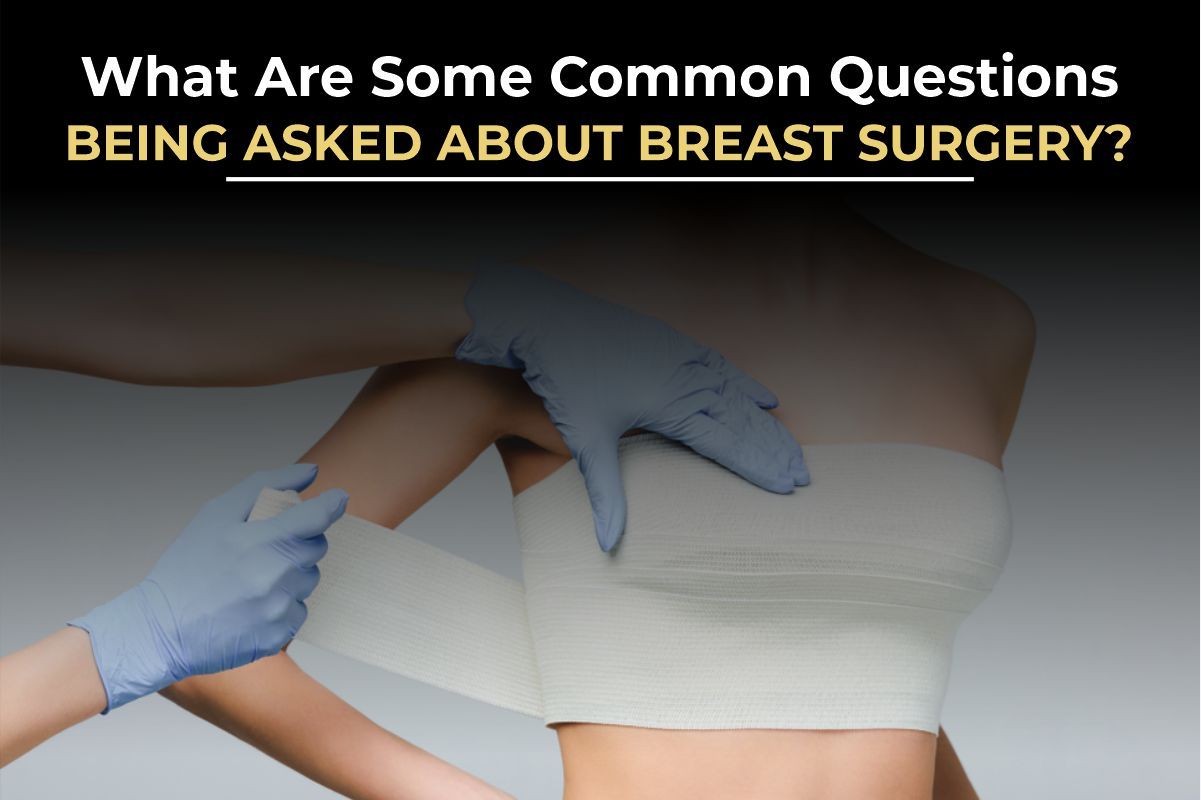
Breast Surgery in Pakistan: Top 10 Questions Answered by a Plastic Surgeon (2026)
In my clinical practice at Dr. Salman Aesthetics, I find that while the desire for breast surgery is increasing, so is the amount of misinformation patients encounter. Whether it is breast augmentation, a breast lift, or breast reduction, these are life-changing procedures that require clear, medically sound answers.
If you are considering surgery in Islamabad or Peshawar, you likely have a list of concerns ranging from safety to long-term maintenance. As a Consultant Plastic Surgeon, I’ve compiled the ten most frequent questions I answer during consultations to help you make an informed, confident decision.
1. Why Do Women Choose Breast Surgery in Pakistan?
Every woman’s motivation is unique. In my clinics, I primarily see three types of patients:
-
The Restorative Patient: Seeking to regain the volume and "perkiness" lost after breastfeeding or significant weight loss.
-
The Balanced Patient: Seeking to correct breast asymmetry (uneven sizes) or enhance a naturally petite frame to better match their body proportions.
-
The Functional Patient: Seeking relief from back and shoulder pain through breast reduction surgery. The common thread is always the same: a desire for self-confidence and a silhouette that feels "right" for their body.
2. Is Breast Surgery Safe?
Yes, breast surgery is remarkably safe when performed by a Board-Certified Plastic Surgeon in an accredited, sterile hospital facility. While complications like capsular contracture (the hardening of scar tissue around an implant) or infection are possible, they are rare when modern surgical techniques and strict aftercare protocols are followed. At Dr. Salman Aesthetics, we use only FDA-approved implants and prioritize patient safety above all else.
3. What Are the Different Types of Breast Surgery?
"Breast surgery" is a broad category. We tailor the procedure to your specific goal:
-
Breast Augmentation: Increasing size and fullness using silicone or saline implants.
-
Mastopexy (Breast Lift): Raising and reshaping sagging tissue without necessarily changing the volume.
-
Breast Reduction: Removing excess tissue and skin to alleviate physical discomfort and create a smaller, firmer shape.
-
Revision Surgery: Correcting or updating results from a previous surgery elsewhere.
4. Silicone vs. Saline: Which Implant is Better for Me?
This is a major point of discussion in our Islamabad and Peshawar clinics.
-
Silicone Gel Implants: These are the "gold standard" in 2026. They use a cohesive gel that feels almost identical to natural breast tissue and are less likely to show "rippling."
-
Saline Implants: Filled with sterile saltwater. They are safe and can be adjusted for size during surgery, but they often feel slightly firmer than silicone.
5. Will Breast Surgery Affect My Ability to Breastfeed?
This is a vital concern for younger women. In most breast augmentation cases, your ability to breastfeed is preserved, especially when the implant is placed submuscularly (under the chest muscle), leaving the milk ducts and glands untouched. However, procedures involving significant tissue repositioning, like a breast lift or reduction, may impact milk supply. We discuss your future family plans in detail during your initial consultation to choose the best surgical path.
6. What is the Recovery Timeline?
Modern surgical techniques have made recovery much smoother.
-
Days 1–3: Expect some tightness and soreness, easily managed with medication.
-
Week 1: Most patients return to light, non-strenuous work.
-
Weeks 4–6: You can resume exercise and more demanding activities. You will wear a specialized surgical support bra during this time to ensure the best possible aesthetic outcome.
7. Are the Scars Permanent?
All surgery involves incisions, but a specialist plastic surgeon is an expert at "scar camouflage." We place incisions in discreet areas: the crease under the breast (inframammary fold), around the edge of the nipple (periareolar), or even the armpit. With proper post-op care, these scars typically fade into thin, faint lines that are barely noticeable.
8. Do Implants Need to Be Replaced Every 10 Years?
This is one of the most persistent myths. Breast implants do not have an expiration date. While they are not considered "lifetime devices," you only need to replace them if you develop a complication or if you want to change your size or shape. Many women keep their implants for 15 to 20 years or more without any issues.
- Can I Combine a Lift with Implants?
Yes! This is known as an Augmentation-Mastopexy. It is a popular choice for women who have both lost volume and experienced sagging (common after pregnancy). We restore the fullness with an implant and "re-drape" the skin with a lift for a comprehensive rejuvenation.
10. How Do I Choose the Right Surgeon in Pakistan?
Your results depend 100% on the skill of your surgeon. Look for:
-
Board Certification: Ensure they are a specialized plastic surgeon, not a general doctor.
-
Experience: Ask to see "Before & After" galleries of their actual patients.
-
Facility Quality: Ensure the surgery is performed in a high-end, sterile hospital environment like the ones we use in Islamabad and Peshawar.
Final Thoughts: Confidence Begins with a Consultation
Breast surgery is a deeply personal journey. It is about more than just physical curves; it is about the emotional freedom that comes from feeling confident in your own skin. Whether you visit us in the Beverly Centre (Islamabad) or University Road (Peshawar), we are here to provide the expert guidance you need.
Ready to Melt Away Stubborn Fat?
Book your consultation at Dr. Salman Aesthetics / Cosmetic Expert Clinic today.